puppy training

How to Teach “Leave It” Without Turning It Into a Battle
A reliable “leave it” is built by rewarding the moment your dog chooses to disengage, then gradually making the situation harder. The goal is not to overpower your dog, but to make moving away from temptation a behavior worth repeating. A dog spots a piece of food on the sidewalk and moves toward it. The instinctive human response may be to tighten the leash, repeat “leave it&rd.. ดูเพิ่ม
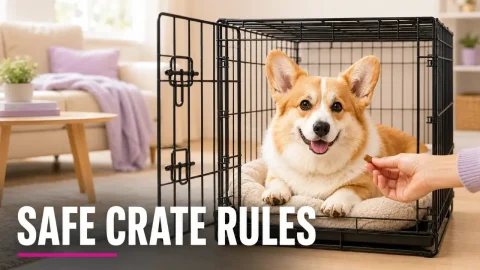
Dog crate safety depends on training, fit and time limits
A properly introduced crate can give a dog a calm resting place and prevent accidents during short periods without supervision. It becomes harmful when used for punishment, prolonged confinement or a distressed dog. A dog crate can be a safe resting and management space, but the crate itself does not guarantee safety. The outcome depends on how the dog is introduced to it, whether it fits correct.. ดูเพิ่ม

Crate training can ease stress—but only when dogs feel safe
A crate can offer a dog a quiet, predictable place to rest during busy or unfamiliar situations. The benefit depends on patient, reward-based training—and some anxious dogs need a different solution. A crate does not automatically calm a dog. When introduced gradually and associated with food, rest, and safety, however, it can become a familiar retreat that helps some dogs cope with noise, .. ดูเพิ่ม

Why Tiny Training Treats Work Better for Dogs
A training reward does not need to be large to feel valuable. Tiny pieces let dogs earn more repetitions without consuming an excessive share of their daily calories. A dog may perform the same exercise dozens of times during one training session. If every correct response earns a full-size biscuit, the calories—and interruptions—can add up surprisingly fast. That is why effective tra.. ดูเพิ่ม