pet insurance

Why a pet’s purchase price says little about lifetime cost
Food, housing, routine veterinary care, emergencies, and years of responsibility usually matter far more than the amount paid to bring an animal home. A realistic budget begins with the pet’s needs and expected lifespan. A free kitten, a low-priced hamster, or an inexpensive bird can look like the most affordable route into pet ownership. The amount paid on the first day, however, reveals v.. ดูเพิ่ม
Why senior pets often need a bigger health budget
Older dogs and cats may need more frequent testing, dental treatment, medication, and support for chronic conditions. Planning for several smaller recurring costs—as well as an occasional major bill—can make their care easier to manage. A pet does not automatically become ill when it reaches its senior years. Aging does, however, increase the likelihood that routine veterinary care wi.. ดูเพิ่ม

What to Budget Before Bringing Home a Second Dog
Some equipment can be shared, but veterinary care, food, preventive medication, boarding, and emergency risk largely multiply. This checklist helps you calculate a realistic first-year budget using prices where you live. A second dog rarely costs exactly twice as much as one—but it will probably cost far more than an extra bag of food. Medical care, parasite prevention, insurance, boarding,.. ดูเพิ่ม

The real budget to plan before adopting a second cat
Some household items can be shared, but food, veterinary care and essential resources often cannot. Here is how to calculate the true extra cost before committing.: A second cat may not double every line in your pet budget, but the added cost is usually greater than another bowl and a little more food. Veterinary care, insurance, litter, boarding and separate household resources can turn a seemin.. ดูเพิ่ม
Why multi-pet homes cost more than owners expect
Food is only the beginning. Veterinary care, insurance, boarding, separate equipment, household space, and overlapping emergencies can make each additional pet more expensive than a simple head count suggests. A second pet may share the sofa, toys, and affection, but it does not share most of its medical care, food allowance, medications, or emergency risk. That distinction is why the cost of a m.. ดูเพิ่ม

How to Build a Pet Emergency Fund Before You Need It
A useful pet emergency fund is based on local veterinary costs, your insurance coverage, and what you can realistically save. Start small, automate the habit, and prepare a backup plan before urgent care is needed. A pet emergency fund gives you money that can be used immediately when an animal is injured or becomes seriously ill. It cannot remove every difficult decision, but it can prevent the .. ดูเพิ่ม

How to Build a Budget for an Aging Pet
Older pets may need more frequent exams, diagnostic testing, medication, dental treatment, and mobility support. A workable budget separates those predictable costs from true emergencies—and starts with your veterinarian, not a generic online estimate. Aging does not automatically mean that a pet is ill, but it often changes the kind and frequency of care they need. The most useful financia.. ดูเพิ่ม

What pet owners should know before buying a wellness plan
A wellness plan can spread routine veterinary costs across the year, but it usually will not protect you from a large emergency bill. Its value depends on the services included, the provider’s regular prices, and the contract terms. A pet wellness plan is generally a prepaid package for routine veterinary care, not financial protection against an unpredictable accident or illness. That dist.. ดูเพิ่ม
Why pet insurance claims get denied—and what owners can do
A diagnosis does not have to predate the policy for an insurer to question a claim. Earlier symptoms, waiting periods, exclusions, missing records, and reimbursement limits can all affect what the owner receives. Pet insurance can cover an expensive veterinary emergency, but paying the premium does not make every bill eligible for reimbursement. Claims are evaluated against the policy’s eff.. ดูเพิ่ม
How pre-existing conditions affect pet insurance coverage
A condition may be considered pre-existing even if your pet had no formal diagnosis. Policy definitions, waiting periods and rules for related conditions can determine whether a future veterinary bill is reimbursed. Pet insurance generally protects against eligible problems that arise after coverage begins—not medical issues already present. The difficult part is that “pre-existing&rd.. ดูเพิ่ม

Why pet insurance becomes more complicated as pets age
Older pets may face higher premiums, fewer new-policy options, and exclusions tied to their medical history. The most important complication, however, may be what happens when an owner tries to switch insurers. Pet insurance does not suddenly stop working when a dog or cat becomes a senior. It does, however, become harder to evaluate because age can affect several parts of a policy at once: price.. ดูเพิ่ม
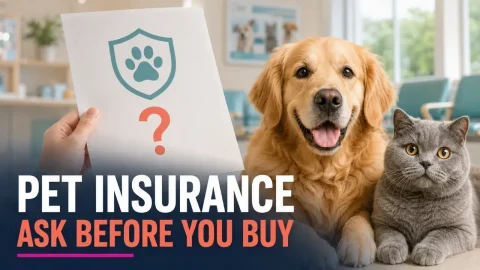
12 Questions to Ask Before Buying Pet Insurance
A low premium or generous reimbursement rate can hide exclusions, benefit caps, and substantial upfront costs. These questions help reveal how a pet insurance policy would work when your animal actually needs treatment. Pet insurance can soften the financial shock of an accident or serious illness, but the headline coverage percentage rarely tells the whole story. A policy may reimburse only elig.. ดูเพิ่ม
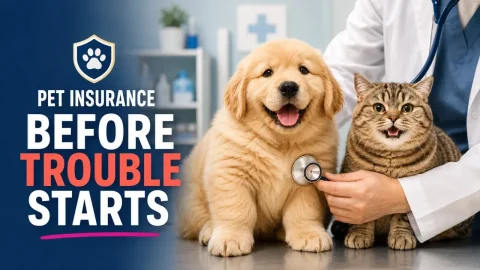
Why pet insurance is easier to buy before health problems start
Most pet insurance is designed for future, unexpected veterinary care—not conditions that have already appeared. Enrolling earlier can preserve more coverage options, but the policy details still matter. Pet insurance is generally easier to use effectively when it begins before a dog or cat develops symptoms. Once a medical problem appears in the veterinary record, a new insurer may treat t.. ดูเพิ่ม
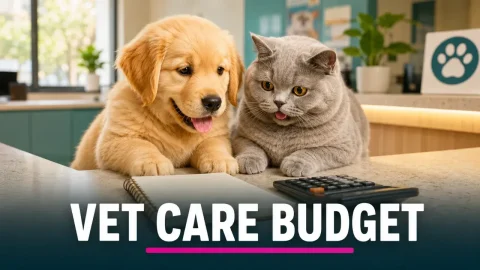
How Much Should New Pet Owners Budget for Vet Care?
The first year can bring exams, vaccines, preventive medication, and one-time procedures—plus emergencies no owner can predict. A realistic plan separates expected care from a dedicated financial safety net. The adoption fee is rarely the last major expense of bringing home a pet. Exams, vaccines, parasite prevention, dental care, and unexpected illnesses can quickly turn a joyful first yea.. ดูเพิ่ม