feline body language
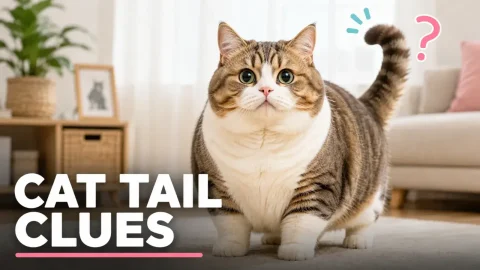
What Your Cat’s Tail Position May Be Saying
A raised tail can signal a friendly approach, while puffing, tucking, or forceful swishing may point to tension or discomfort. But a cat’s tail makes the most sense when you read it alongside the rest of the body. A cat’s tail can offer useful clues about how the animal is feeling, but it is not a simple emotional code. A tail held high, tucked low, puffed out, or moving rapidly can m.. ดูเพิ่ม
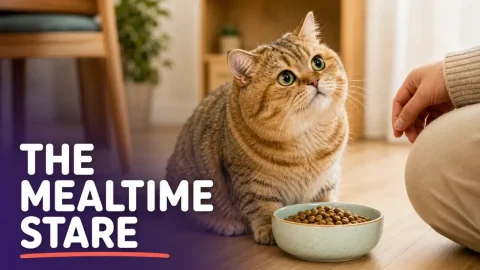
Why Cats Sometimes Look at Their Owners While Eating
A glance across the food bowl may reflect reassurance, environmental awareness, or a habit your cat has learned. Body language—and whether the behavior is new—offers the most useful clues. A cat that pauses between bites and fixes its eyes on its owner is not necessarily asking for protection or judging the menu. The look may be a quick environmental check, a request for company, or a.. ดูเพิ่ม
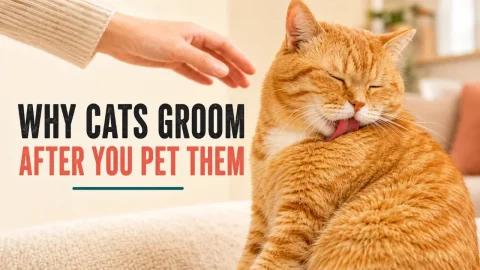
Why cats groom themselves right after you pet them
A quick lick after petting does not necessarily mean your cat is rejecting you. It may be routine coat care, a response to physical stimulation, or a subtle request for a break. A cat that begins licking its fur seconds after being petted can appear to be deliberately undoing your affection. The behavior is usually far less personal—and its meaning depends on what the cat does before, durin.. ดูเพิ่ม
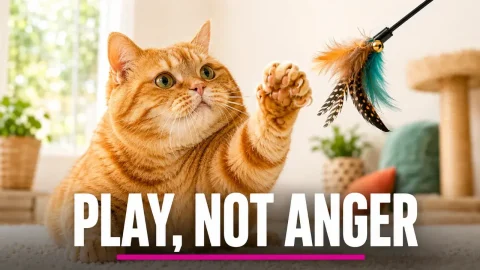
Why cats scratch during play—and how to keep hands safe
Scratching during play usually reflects a cat’s natural hunting sequence, not anger or spite. The right toys, shorter sessions, and attention to body language can prevent painful encounters. A cat that grabs, scratches, or “bunny kicks” during play is usually practicing the same movements it would use to catch prey. Claws help cats seize and hold a moving target, so they can app.. ดูเพิ่ม