dog training tips
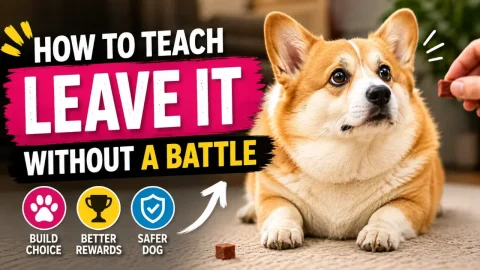
How to Teach “Leave It” Without Turning It Into a Battle
A reliable “leave it” is built by rewarding the moment your dog chooses to disengage, then gradually making the situation harder. The goal is not to overpower your dog, but to make moving away from temptation a behavior worth repeating. A dog spots a piece of food on the sidewalk and moves toward it. The instinctive human response may be to tighten the leash, repeat “leave it&rd.. ดูเพิ่ม

Why Dogs Seem Jealous When You Pet Another Dog
A dog that wedges between you and another pet may be protecting access to something valuable: your attention. Research supports jealousy-like behavior in dogs, but the full explanation is more nuanced. Your hand reaches down to pet another dog, and suddenly your own dog appears between you. They may paw at your leg, nudge your hand, bark, whine, or try to push the newcomer away. It certainly look.. ดูเพิ่ม
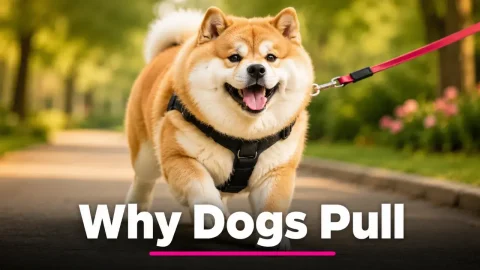
Why Some Dogs Pull on the Leash — and What It Really Means
Leash pulling is not always a sign of bad behavior. For many dogs, it is a learned habit, a burst of excitement, or simply the fastest way to reach the world they want to explore. A dog pulling on the leash can turn a simple walk into a daily arm workout. But most dogs are not trying to be difficult, dominant, or disrespectful. They are usually doing something much simpler: moving toward what int.. ดูเพิ่ม
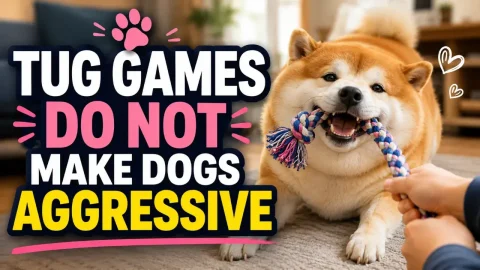
Why Tug Games Do Not Automatically Make Dogs Aggressive
Tug-of-war can look intense, especially when a dog growls or pulls hard. But the real issue is not the game itself — it is how the game is managed, how the dog feels, and whether the owner knows when to pause. Tug-of-war can look rough, but rough-looking play is not the same as aggression. For many dogs, tug is a normal, exciting game that can build focus, confidence, and connection with th.. ดูเพิ่ม