dog training
 Why Dogs Love Smelly Socks—and Why the Habit Can Be Dangerous
 Why dogs whine when you leave—and when it signals distress
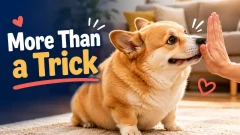 Why hand targeting is one of the most useful skills to teach your dog
 How an Emergency U-Turn Can Make Difficult Dog Walks Easier
 How to Teach “Leave It” Without Turning It Into a Battle

How to Teach “Leave It” Without Turning It Into a Battle
A reliable “leave it” is built by rewarding the moment your dog chooses to disengage, then gradually making the situation harder. The goal is not to overpower your dog, but to make moving away from temptation a behavior worth repeating. A dog spots a piece of food on the sidewalk and moves toward it. The instinctive human response may be to tighten the leash, repeat “leave it&rd.. ดูเพิ่ม
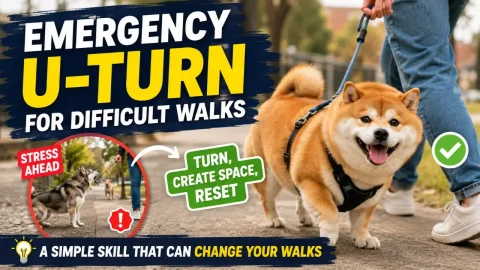
How an Emergency U-Turn Can Make Difficult Dog Walks Easier
An emergency U-turn gives you a practiced way to change direction when another dog, person, vehicle, or other trigger suddenly appears. The goal is not to force a dog through a stressful encounter, but to create enough distance for both dog and handler to regain control. A dog walk can change in seconds. Another dog appears around a corner, a skateboard approaches from behind, or a narrow sidewal.. ดูเพิ่ม

Why a Reliable Recall Must Be Practiced in Stages
Coming when called is not a skill dogs learn once and automatically use everywhere. Reliable recall develops by gradually adding distance, distractions, and new environments while keeping practice rewarding and safe. A dog that races toward you every time you call from across the living room may seem to have mastered recall. Move the same dog into a park filled with smells, people, wildlife, and .. ดูเพิ่ม

How to Teach a Dog to Relax Without Constant Entertainment
Dogs need exercise, play, social contact, and mental stimulation—but they can also learn that nothing happening is perfectly okay. Reward-based “settle” training can turn quiet downtime into a skill your dog practices voluntarily. A dog that follows you from room to room, drops toys at your feet, or demands another game whenever the house becomes quiet may not simply need more e.. ดูเพิ่ม
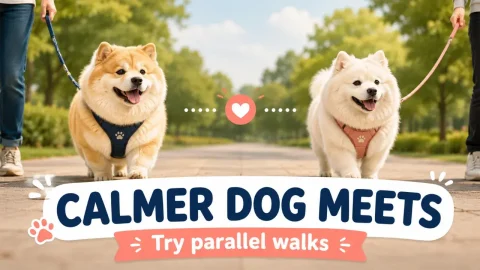
Why Parallel Walks Can Help Two Dogs Meet More Calmly
Instead of bringing unfamiliar dogs straight together, many animal-welfare organizations recommend beginning with space, movement, and separate handlers. The goal is not instant friendship but a controlled setting where both dogs can show whether they are comfortable getting closer. A first meeting between two dogs does not have to begin nose to nose. One gentler option is a parallel walk: two ha.. ดูเพิ่ม
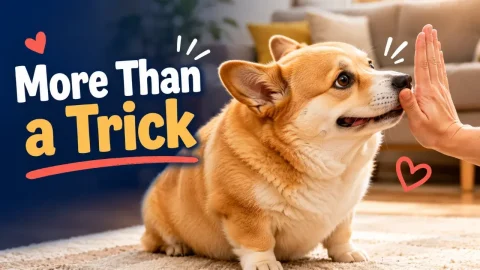
Why hand targeting is one of the most useful skills to teach your dog
Teaching a dog to touch your palm with their nose may look like a tiny trick, but it creates a portable target you can use to guide movement, redirect attention, practice polite greetings, and support cooperative handling. Teaching a dog to bump their nose against your palm is one of the simplest training exercises around. Yet once a dog understands the behavior, usually called “touch&rdquo.. ดูเพิ่ม

How Mat Training Gives Dogs a Portable Place to Settle
A blanket, towel, or small dog mat can become much more than a place to lie down. With reward-based training, it can give a dog a familiar cue for quiet behavior that travels from room to room—and, for dogs comfortable with new environments, beyond the home. A small mat can become one of the most useful pieces of dog-training equipment in the house. Once a dog learns that stepping onto it, .. ดูเพิ่ม
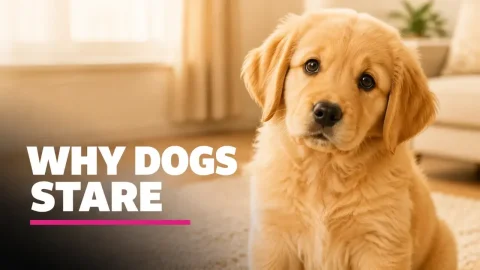
Why dogs stare into your eyes—and what they may be telling you
Dogs use their eyes to request attention, read human behavior, seek help, and reinforce social bonds. The surrounding context and body language reveal whether a stare is relaxed, expectant, anxious, or confrontational. A dog looking steadily into your eyes may be asking for dinner, waiting for a cue, seeking reassurance, or simply enjoying your attention. Eye contact is one of the ways domestic d.. ดูเพิ่ม
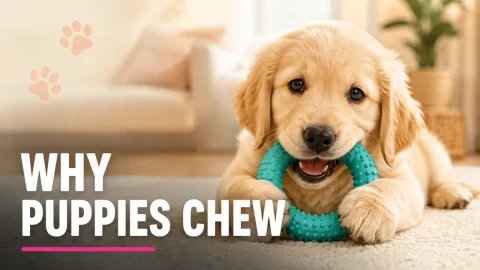
Why Puppies Chew Everything—and How to Redirect Them Safely
Chewing helps puppies explore, play, and cope with teething discomfort. The goal is not to stop the behavior entirely, but to steer it toward safer objects before shoes, cords, or swallowed pieces become a problem. A puppy chewing a shoe, table leg, or stray piece of packaging is not necessarily being disobedient. Puppies investigate much of their environment with their mouths, and chewing can al.. ดูเพิ่ม

Why Dogs Love Smelly Socks—and Why the Habit Can Be Dangerous
A worn sock carries a strong, familiar scent and is conveniently soft enough to carry or chew. But a playful theft can become a veterinary emergency if the sock is swallowed. A dirty sock may smell unpleasant to a human, but to a dog it can be a scent-rich object connected to someone familiar. Add a soft texture, an easy-to-carry shape, and the possibility of an exciting chase, and the appeal bec.. ดูเพิ่ม
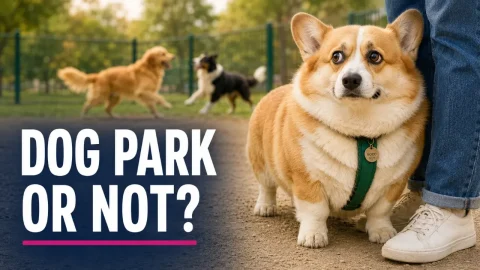
Why Dog Parks Are Not Right for Every Dog
Crowded off-leash play can be exciting for confident, social dogs but stressful or unsafe for others. The deciding factor is not breed or size alone—it is how the individual dog responds. A dog park can look like the perfect package: open space, exercise, playmates, and a tired dog at the end of the visit. For some dogs, it delivers exactly that. For others, the same environment creates pre.. ดูเพิ่ม

Dog socialization means learning to handle the wider world
Meeting other dogs is only one small part of socialization. The broader goal is to help a dog feel safe and behave comfortably around the people, places, sounds, surfaces, and routines it will encounter throughout life. A well-socialized dog is not necessarily the dog that runs up to every person or plays happily with every canine it meets. It is the dog that can encounter ordinary life without b.. ดูเพิ่ม
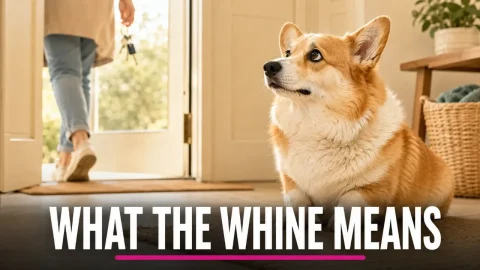
Why dogs whine when you leave—and when it signals distress
Whining can be a brief request for attention, a response to frustration, or an early sign that a dog is struggling to be alone. The timing and accompanying behaviors reveal more than the sound itself. A dog that whines as you reach for your keys is communicating something—but it is not necessarily saying the same thing as every other whining dog. The sound may express anticipation, frustrat.. ดูเพิ่ม

Why Some Dogs Love Car Rides While Others Dread Them
A car may predict a trip to the park for one dog and nausea or a stressful vet visit for another. The difference often comes down to physical comfort and the associations each dog has learned. A dog racing toward an open car door is not necessarily fascinated by the vehicle itself. More often, the car has become a reliable signal that something rewarding is about to happen: time with a favorite p.. ดูเพิ่ม

Why dogs lick your face—and what they may be telling you
A lick can be a warm greeting, a request for attention, an investigation of an interesting taste, or even a response to tension. The surrounding body language is the best clue to what a dog means. A dog licking your face may be showing affection, but that is only one possible explanation. Dogs also lick to greet people, collect scents and tastes, seek attention, calm themselves, or respond to an .. ดูเพิ่ม

Why dogs destroy things when left alone—and what it really means
Chewed furniture is not always a sign of boredom or disobedience. The timing, location, and accompanying behavior can reveal whether a dog is exploring, under-stimulated, afraid of confinement, or experiencing genuine separation distress. A dog that tears apart a cushion while home alone is not necessarily angry with its owner. Destruction can come from ordinary chewing, excess energy, outside st.. ดูเพิ่ม

Why dogs chase their tails—and when it may signal a problem
A quick spin may be harmless play, especially in a puppy. Frequent, hard-to-interrupt tail chasing can instead point to itching, pain, stress, or a compulsive disorder. A dog spinning after its own tail can look like pure comedy. In many cases, it is simply a brief burst of play, curiosity, excitement, or an attempt to get attention. The same action, however, can have a very different meaning whe.. ดูเพิ่ม
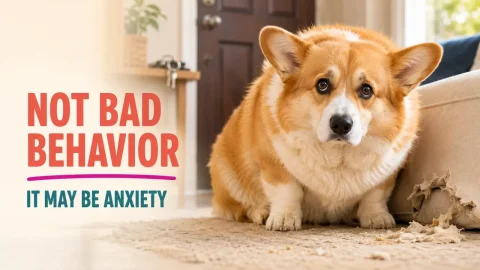
Why separation anxiety can look like bad behavior in dogs
Chewed doors, nonstop barking, and indoor accidents can look like deliberate disobedience. But when these behaviors cluster around an owner’s departure, they may be signs of genuine distress. A dog that tears up a cushion, urinates indoors, or barks for an hour may appear to be acting out because its owner left. Yet dogs with separation-related problems are not plotting revenge. Their behav.. ดูเพิ่ม
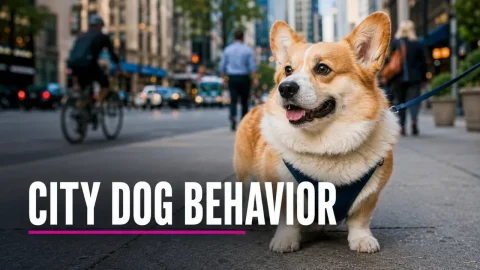
How city life can shape a dog’s behavior
Traffic, elevators, crowded sidewalks, and limited off-leash space can influence how dogs respond to the world. Research suggests that urban living matters, but it is only one part of a much more complicated behavioral picture. A city gives a dog an unusually concentrated sensory world. Traffic rumbles beneath apartment windows, strangers appear in elevators, other dogs pass within a few feet, an.. ดูเพิ่ม
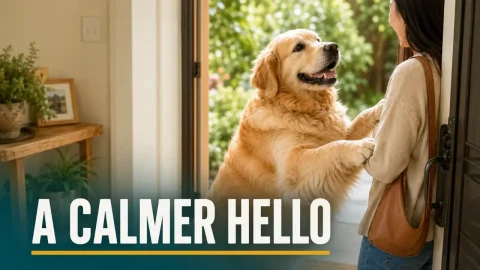
Why Dogs Jump on Guests—and How to Teach a Calmer Hello
Jumping is often a dog’s fastest route to attention and face-to-face contact. A few changes at the door can replace that chaotic greeting with a safer, calmer habit. A guest walks through the door, and suddenly the dog becomes a furry spring. Paws land on clothing, the visitor steps backward, and everyone starts talking at once. The behavior can feel unruly, but most dogs are not trying to .. ดูเพิ่ม