dog behavior
 Why Dogs Love Smelly Socks—and Why the Habit Can Be Dangerous
 Why Dogs Kick the Ground After Pooping
 Why dogs whine when you leave—and when it signals distress
 What “whale eye” means when your dog shows the whites of its eyes
 Why dogs yawn even when they are not tired
 Why hand targeting is one of the most useful skills to teach your dog
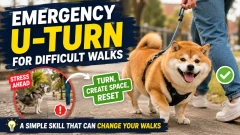 How an Emergency U-Turn Can Make Difficult Dog Walks Easier
 What Viral Pet Videos Can Miss About Animal Body Language
 How to Teach “Leave It” Without Turning It Into a Battle

Is It Jealousy or Resource Competition Between Pets?
Dogs can show behaviors that resemble jealousy, but competition over food, toys, resting places, territory, and access to people can look remarkably similar. Watching what triggers the behavior is often more useful than trying to name the emotion. A dog wedges itself between you and another pet. A cat suddenly occupies your lap whenever its housemate approaches. One animal stares, vocalizes, bloc.. ดูเพิ่ม
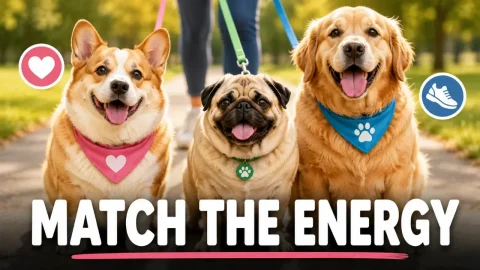
Why a Dog’s Energy Level May Matter More Than Looks
A dog can be exactly the size, color, or breed type you imagined and still be a difficult match for your everyday routine. Looking at activity needs, temperament, age, and mental stimulation can give you a much better idea of what living together will actually be like. A dog’s appearance may be what first catches your attention, but energy level can have a much bigger effect on everyday lif.. ดูเพิ่ม
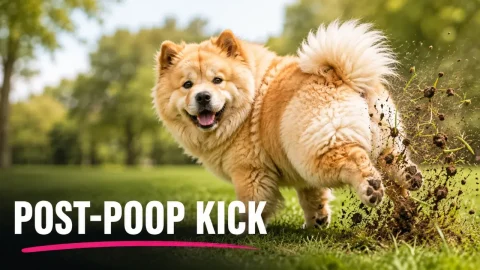
Why Dogs Kick the Ground After Pooping
That burst of backward scratching is probably not an attempt to bury the evidence. Research suggests dogs use ground scratching as part of a scent-marking system that can leave both chemical and visible signals for other dogs. A dog finishes pooping, takes a step forward, then suddenly starts scraping the ground with its back feet and launching grass or dirt into the air. It may look like an enth.. ดูเพิ่ม
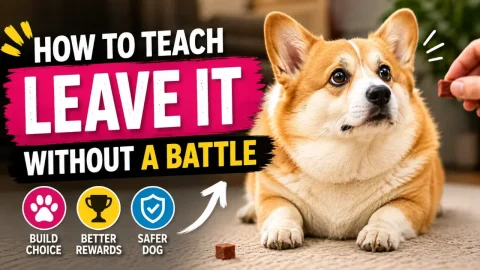
How to Teach “Leave It” Without Turning It Into a Battle
A reliable “leave it” is built by rewarding the moment your dog chooses to disengage, then gradually making the situation harder. The goal is not to overpower your dog, but to make moving away from temptation a behavior worth repeating. A dog spots a piece of food on the sidewalk and moves toward it. The instinctive human response may be to tighten the leash, repeat “leave it&rd.. ดูเพิ่ม

What a Dog’s Play Bow Really Communicates
That familiar front-down, rear-up posture is one of the clearest signals in canine social play. Research suggests dogs use it not only to invite interaction, but also to restart play and keep a partner engaged. A dog drops its front legs toward the ground, keeps its hindquarters raised, and looks ready to spring in almost any direction. Most dog owners recognize the posture immediately: the play .. ดูเพิ่ม

What Viral Pet Videos Can Miss About Animal Body Language
A wagging tail, frozen cat, or dramatic reaction may look obvious on screen, but animal communication rarely comes down to one gesture. Research suggests that humans can be strongly influenced by the surrounding scene when judging what a dog is feeling. The funniest moment in a pet video is not necessarily the moment that tells you how the animal feels. A dog may wag its tail while its body remai.. ดูเพิ่ม
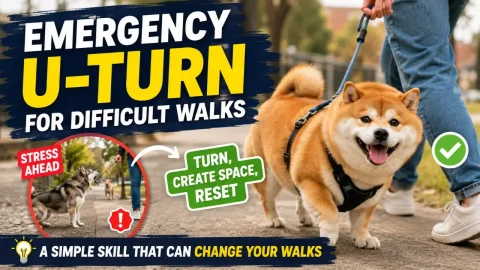
How an Emergency U-Turn Can Make Difficult Dog Walks Easier
An emergency U-turn gives you a practiced way to change direction when another dog, person, vehicle, or other trigger suddenly appears. The goal is not to force a dog through a stressful encounter, but to create enough distance for both dog and handler to regain control. A dog walk can change in seconds. Another dog appears around a corner, a skateboard approaches from behind, or a narrow sidewal.. ดูเพิ่ม

Why dogs sneeze in the middle of play
A quick sneeze during a game is often harmless—and veterinary behavior guidance suggests it can even function as part of a dog’s playful communication. But frequent sneezing, discharge, bleeding, or other symptoms tell a different story. A dog can be wrestling, chasing a friend, or tugging on a toy and suddenly stop for an emphatic sneeze. When it happens only during an otherwise happ.. ดูเพิ่ม
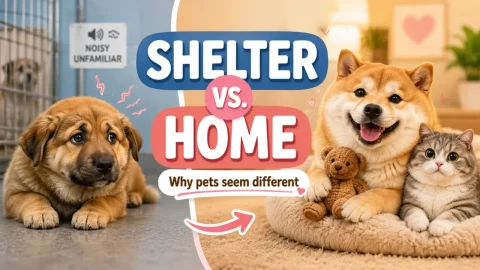
Why a pet’s shelter personality may change after adoption
A shy shelter dog may become playful at home, while a seemingly relaxed pet may reveal new behaviors weeks later. Research suggests that personality matters, but environment, stress and adjustment can strongly affect how that personality is expressed. A pet’s behavior at an animal shelter can be genuine without being the complete picture of who that animal will become at home. Dogs and cats.. ดูเพิ่ม
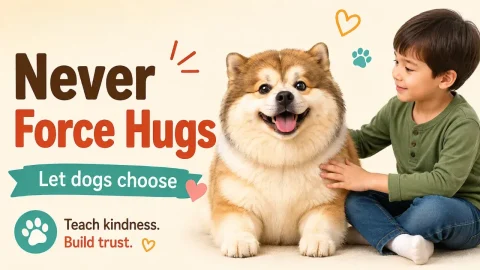
Why Children Should Never Be Asked to Hug an Unwilling Dog
A hug may look affectionate to a person while feeling restrictive to a dog. Teaching children to recognize canine body language—and allowing dogs to move away—can make everyday interactions safer and more comfortable for both. A child wrapping both arms around a beloved dog can look like a picture of friendship. From the dog’s perspective, however, that same embrace may restrict.. ดูเพิ่ม

How to Teach a Dog to Relax Without Constant Entertainment
Dogs need exercise, play, social contact, and mental stimulation—but they can also learn that nothing happening is perfectly okay. Reward-based “settle” training can turn quiet downtime into a skill your dog practices voluntarily. A dog that follows you from room to room, drops toys at your feet, or demands another game whenever the house becomes quiet may not simply need more e.. ดูเพิ่ม

Why dogs lick their lips when there’s no food around
A quick tongue flick can be part of normal canine communication, but repeated lip licking may also accompany anxiety, nausea, reflux, or other physical discomfort. The surrounding context is usually more informative than the lick itself. A dog licking its lips when dinner is being prepared is easy to understand. The same movement when there is no food nearby can be harder to interpret. There is n.. ดูเพิ่ม

The 3-3-3 Rule for Rescue Pets: Useful Guide, Not a Clock
The popular 3-3-3 framework encourages patience during the first days, weeks, and months after adoption. Animal-welfare groups find it useful for setting expectations, but research shows that real adjustment is far less predictable. Bringing home a rescue animal can produce a strange first impression. A dog that seems unusually quiet may become playful weeks later. Another may appear confident im.. ดูเพิ่ม
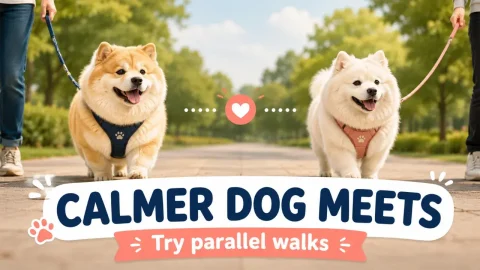
Why Parallel Walks Can Help Two Dogs Meet More Calmly
Instead of bringing unfamiliar dogs straight together, many animal-welfare organizations recommend beginning with space, movement, and separate handlers. The goal is not instant friendship but a controlled setting where both dogs can show whether they are comfortable getting closer. A first meeting between two dogs does not have to begin nose to nose. One gentler option is a parallel walk: two ha.. ดูเพิ่ม
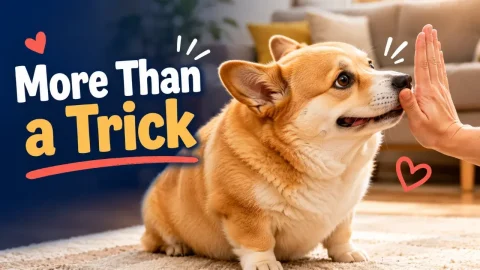
Why hand targeting is one of the most useful skills to teach your dog
Teaching a dog to touch your palm with their nose may look like a tiny trick, but it creates a portable target you can use to guide movement, redirect attention, practice polite greetings, and support cooperative handling. Teaching a dog to bump their nose against your palm is one of the simplest training exercises around. Yet once a dog understands the behavior, usually called “touch&rdquo.. ดูเพิ่ม

Why dogs yawn even when they are not tired
Dogs certainly yawn when they are sleepy, but researchers also observe yawning during stressful, emotionally arousing and social situations. The surrounding context often matters more than the yawn itself. A dog stretching out on the couch and letting out a huge yawn probably looks ready for a nap. But dogs also yawn while standing in a veterinary clinic, during training, around unfamiliar situat.. ดูเพิ่ม

Why decompression matters after a pet leaves a shelter
Moving from a shelter into a home can replace one stressful environment with a completely unfamiliar one. A calm space, predictable routine and gradual introductions can give newly adopted dogs and cats time to adjust without being overwhelmed. Leaving an animal shelter is a positive change, but a newly adopted pet may not understand that yet. A dog or cat arriving home suddenly faces unfamiliar .. ดูเพิ่ม
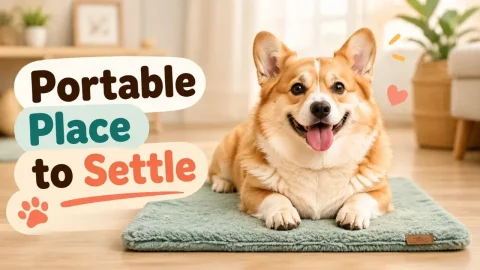
How Mat Training Gives Dogs a Portable Place to Settle
A blanket, towel, or small dog mat can become much more than a place to lie down. With reward-based training, it can give a dog a familiar cue for quiet behavior that travels from room to room—and, for dogs comfortable with new environments, beyond the home. A small mat can become one of the most useful pieces of dog-training equipment in the house. Once a dog learns that stepping onto it, .. ดูเพิ่ม

How to Introduce a Cat and Dog Without Forcing Contact
A successful cat-and-dog introduction does not begin with a nose-to-nose meeting. Giving both animals space, escape routes, and time to become familiar with each other's scent can make the process calmer and safer. Bringing a cat and dog into the same home does not mean they need to meet immediately. In fact, animal-welfare guidance favors the opposite approach: keep early interactions controlled.. ดูเพิ่ม

What “whale eye” means when your dog shows the whites of its eyes
“Whale eye” describes the crescent of white that becomes visible when a dog turns its head or gaze while keeping track of something nearby. It often appears when a dog is uncomfortable, anxious, defensive, or trying to create space—but context matters. Your dog turns its head away but keeps watching you from the corner of its eye. Suddenly, a bright crescent of white appears aro.. ดูเพิ่ม