cat enrichment
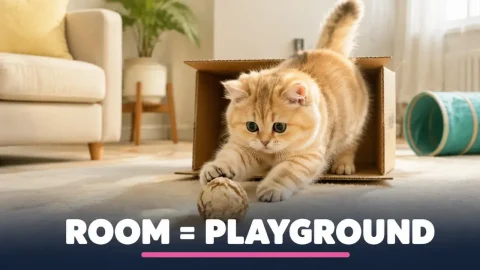
Why Kittens Turn Ordinary Rooms Into Playgrounds
A cardboard box can become a hiding place, a curtain can resemble moving prey, and a hallway can turn into a racetrack. This playful chaos reflects how kittens explore their surroundings and practice natural feline behaviors. To a kitten, an ordinary room is rarely ordinary. Chair legs create an obstacle course, boxes become ambush shelters, and anything that rolls or flutters may invite a chase... ดูเพิ่ม
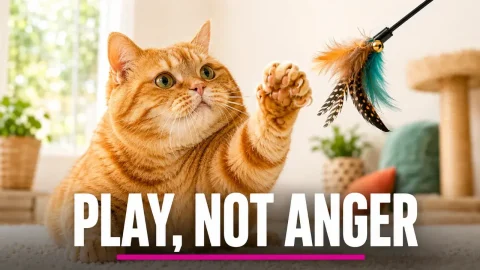
Why cats scratch during play—and how to keep hands safe
Scratching during play usually reflects a cat’s natural hunting sequence, not anger or spite. The right toys, shorter sessions, and attention to body language can prevent painful encounters. A cat that grabs, scratches, or “bunny kicks” during play is usually practicing the same movements it would use to catch prey. Claws help cats seize and hold a moving target, so they can app.. ดูเพิ่ม
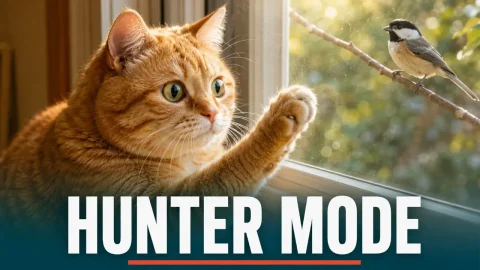
Why Cats Can Watch Birds for Hours Without Getting Bored
A bird outside the window can hold a cat’s attention far longer than most toys. That intense stare is connected to hunting instinct, mental stimulation, and a world of movement humans may barely notice. A cat sitting motionless at a window may look relaxed, but its mind is often anything but idle. Outside, a sparrow hops between branches, a pigeon changes direction, or a small bird briefly .. ดูเพิ่ม

Why Cats Knock Things Off Tables, Explained Without the Drama
That dramatic paw swipe is usually not revenge. It is more often a mix of hunting instinct, curiosity, boredom, and one very simple lesson: humans react. A cat staring at a glass before slowly pushing it off the table can look almost theatrical. But the behavior is usually less about mischief and more about how cats explore the world, use their paws, and learn what gets a reaction. Veterinary beh.. ดูเพิ่ม

Why Your Pet’s “Bad Behavior” May Really Be Boredom
Chewing, barking, scratching, and midnight chaos are often signs that pets need more mental stimulation, not just stricter rules. A dog that chews the couch is not plotting revenge. A cat that knocks things off the table is not trying to ruin your morning. Most of the time, behavior that owners call “bad” is really a signal. The pet has energy, instincts, curiosity, or stress that has.. ดูเพิ่ม