animal behavior

Is It Jealousy or Resource Competition Between Pets?
Dogs can show behaviors that resemble jealousy, but competition over food, toys, resting places, territory, and access to people can look remarkably similar. Watching what triggers the behavior is often more useful than trying to name the emotion. A dog wedges itself between you and another pet. A cat suddenly occupies your lap whenever its housemate approaches. One animal stares, vocalizes, bloc.. ดูเพิ่ม

What a Dog’s Play Bow Really Communicates
That familiar front-down, rear-up posture is one of the clearest signals in canine social play. Research suggests dogs use it not only to invite interaction, but also to restart play and keep a partner engaged. A dog drops its front legs toward the ground, keeps its hindquarters raised, and looks ready to spring in almost any direction. Most dog owners recognize the posture immediately: the play .. ดูเพิ่ม

What Viral Pet Videos Can Miss About Animal Body Language
A wagging tail, frozen cat, or dramatic reaction may look obvious on screen, but animal communication rarely comes down to one gesture. Research suggests that humans can be strongly influenced by the surrounding scene when judging what a dog is feeling. The funniest moment in a pet video is not necessarily the moment that tells you how the animal feels. A dog may wag its tail while its body remai.. ดูเพิ่ม
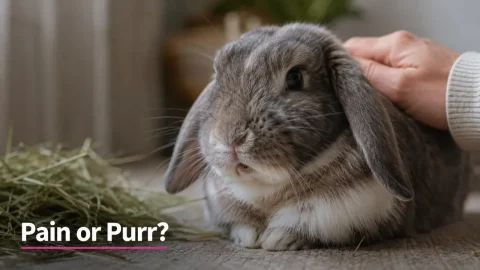
Why Rabbits Grind Their Teeth: Contentment, Pain, and What to Watch For
A quiet tooth chatter while a rabbit is relaxed can be a sign of contentment. Louder grinding—especially alongside a hunched posture, reduced appetite, drooling, or low energy—can instead signal pain or illness. The sound of a rabbit grinding its teeth can mean two very different things. A faint, gentle chatter from a relaxed rabbit may be the rabbit equivalent of a cat purring, while.. ดูเพิ่ม
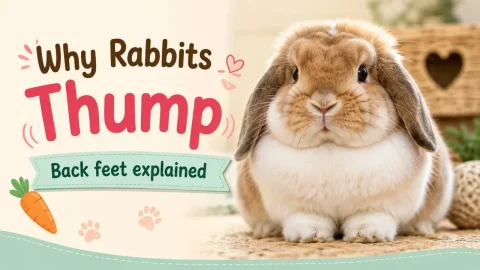
Why Rabbits Thump—and What They May Be Trying to Tell You
A rabbit’s sudden, powerful thump is often an alarm signal, but fear is not the only possible explanation. Body posture and whatever happened just before the thumping can help reveal what the rabbit is reacting to. A rabbit pounding the floor with its back feet can produce a surprisingly loud sound for such a small animal. In many cases, that thump is exactly what it sounds like: an alarm. .. ดูเพิ่ม

How to Learn Your Pet’s Normal So Changes Stand Out
Your pet’s appetite, drinking, bathroom habits, activity, sleep, movement, and social behavior create a personal baseline. Paying attention to that pattern can make unusual changes easier to recognize and describe to a veterinarian. A dog that suddenly leaves breakfast untouched or a cat that stops jumping onto a favorite chair may be telling you something important. The challenge is recogn.. ดูเพิ่ม
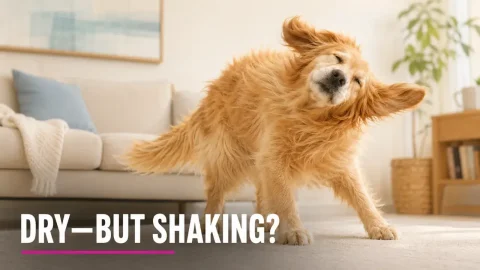
Why dogs shake off even when they are completely dry
The familiar full-body shake is not only for drying fur. Touch, minor irritation, excitement, and challenging experiences can all help trigger the same rapid movement. A dog does not need to be wet to perform the dramatic nose-to-tail shake commonly associated with bath time. The movement is a multipurpose response: it can clear something from the coat, react to sensations around the hair follicl.. ดูเพิ่ม

How the Right Pet Bowl Can Make Mealtime Safer and Easier
A good pet bowl should be comfortable to use, difficult to tip, and easy to clean. Shape and placement may also matter, but some popular claims—especially about feline “whisker stress”—have less evidence than advertising suggests. The bowl holding your pet’s food may seem like a minor purchase, but its design can influence cleanliness, access, eating pace, and how se.. ดูเพิ่ม
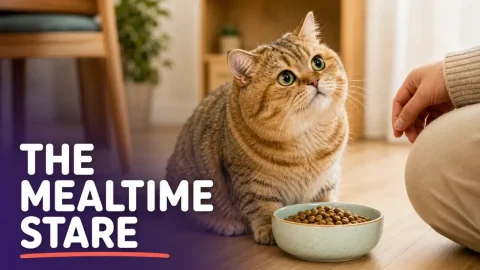
Why Cats Sometimes Look at Their Owners While Eating
A glance across the food bowl may reflect reassurance, environmental awareness, or a habit your cat has learned. Body language—and whether the behavior is new—offers the most useful clues. A cat that pauses between bites and fixes its eyes on its owner is not necessarily asking for protection or judging the menu. The look may be a quick environmental check, a request for company, or a.. ดูเพิ่ม
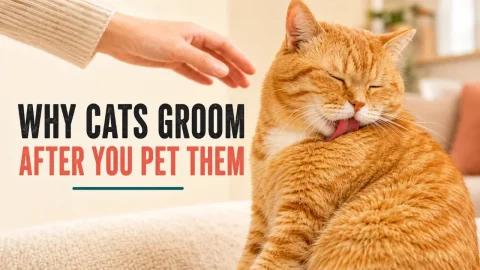
Why cats groom themselves right after you pet them
A quick lick after petting does not necessarily mean your cat is rejecting you. It may be routine coat care, a response to physical stimulation, or a subtle request for a break. A cat that begins licking its fur seconds after being petted can appear to be deliberately undoing your affection. The behavior is usually far less personal—and its meaning depends on what the cat does before, durin.. ดูเพิ่ม

Why dogs lick your face—and what they may be telling you
A lick can be a warm greeting, a request for attention, an investigation of an interesting taste, or even a response to tension. The surrounding body language is the best clue to what a dog means. A dog licking your face may be showing affection, but that is only one possible explanation. Dogs also lick to greet people, collect scents and tastes, seek attention, calm themselves, or respond to an .. ดูเพิ่ม

Why cats sleep in tiny spaces: Safety, warmth, and control
A cramped box may look uncomfortable to a human, but its walls can give a cat privacy, warmth, and control over possible threats. The behavior is usually normal—unless a cat suddenly begins hiding much more than usual. A cat may ignore an expensive bed, fold itself into a delivery box barely wider than its body, and fall asleep within minutes. The choice looks absurd from the outside, but t.. ดูเพิ่ม
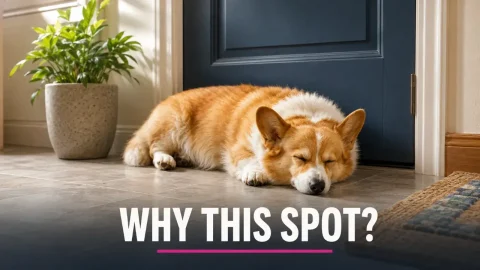
Why Dogs Sleep by the Front Door—and When It Matters
The front door may offer a cool floor, a familiar routine, and the best view of household activity. Context—not the sleeping spot alone—reveals what your dog may be communicating. A dog stretched across the front door can look like a devoted guard waiting to protect the household. Sometimes the explanation is much simpler: that particular patch of floor may be cool, quiet, familiar, a.. ดูเพิ่ม
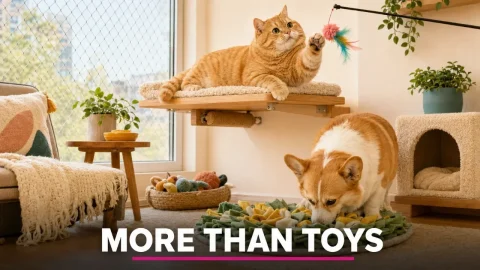
Why Apartment Pets Need More Than Food, Walks, and Toys
A small home can still support a satisfying life for a cat or dog. The key is creating daily opportunities to explore, search, climb, sniff, play, rest, and make choices. Living in an apartment does not automatically make a pet unhappy. A cat can thrive without roaming outdoors, and a dog does not need a private yard to live well. The challenge is that apartment life can make every day look remar.. ดูเพิ่ม
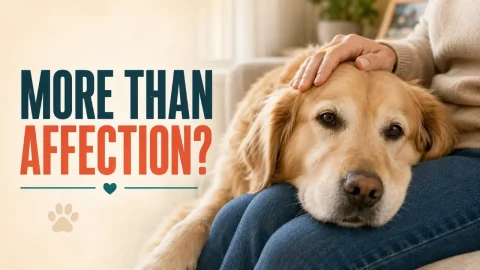
Why Dogs Put Their Head on Your Lap—and What They May Be Asking For
A dog’s heavy head on your lap may express affection, request attention, or seek reassurance. The rest of the body helps reveal what the gesture means in that moment. Your dog walks over, looks up at you, and gently places their head on your lap. It feels unmistakably affectionate—and often it is. But dogs do not use this gesture as a single sentence with one fixed translation. Depend.. ดูเพิ่ม

Why Dogs Dig at Blankets Before Sleeping
Scratching, circling, and bunching up blankets can be part of a dog’s natural settling routine. The surrounding body language reveals whether it means comfort or something deserves a closer look. Your dog climbs into bed, paws furiously at a perfectly smooth blanket, turns around twice, and finally collapses into the spot they just “renovated.” It may look pointless, but this fa.. ดูเพิ่ม
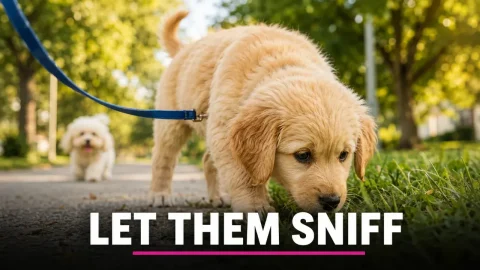
Why Dogs Sniff Everything on Walks—and Why You Should Let Them
Every patch of grass, tree trunk, and lamppost can carry information that people never notice. Giving a dog safe opportunities to investigate those scents can turn an ordinary walk into valuable mental enrichment. A dog can turn a five-minute trip around the block into a detailed investigation of every tree, tire, and patch of grass. That is because sniffing is part of the walk’s purpose, n.. ดูเพิ่ม
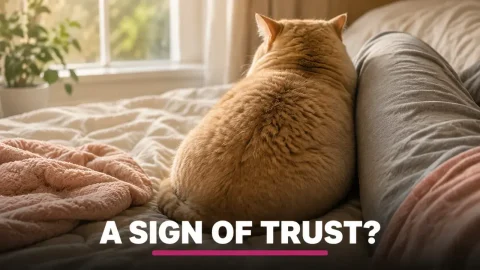
Why Your Cat Sleeps With Its Back Turned to You
A cat facing away from you at bedtime is not necessarily being unfriendly. Its location, posture, and willingness to sleep nearby may reveal more than the direction of its face. A cat that curls up beside you and promptly turns away may appear to be delivering a tiny, furry insult. In many cases, the opposite is more likely: your cat feels safe enough to relax without watching your every move. Th.. ดูเพิ่ม
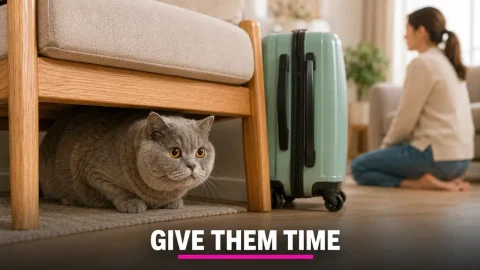
Why Your Cat May Hide After You Return From a Trip
A disrupted routine, unfamiliar smells, and a suddenly busy home can make some cats retreat after their owner returns. The behavior usually calls for patience, but certain accompanying symptoms deserve veterinary attention. You have been looking forward to seeing your cat for days. You open the door, call their name—and watch a tail disappear beneath the bed. The reaction can feel personal,.. ดูเพิ่ม

What Your Dog’s Different Tail Wags May Be Telling You
A loose, sweeping wag can look friendly, while a fast, rigid wag may signal tension. Understanding the difference means watching the whole dog—not just the tail. A wagging tail is often treated as a universal sign of happiness. In reality, dogs also wag when they are excited, uncertain, anxious, alert, or emotionally conflicted. The useful question is not simply, “Is the tail moving?&.. ดูเพิ่ม